.jpg)
The Artist
A voice shaped by silence. An artist defined by everything he's survived.

The Crucible of Varanasi
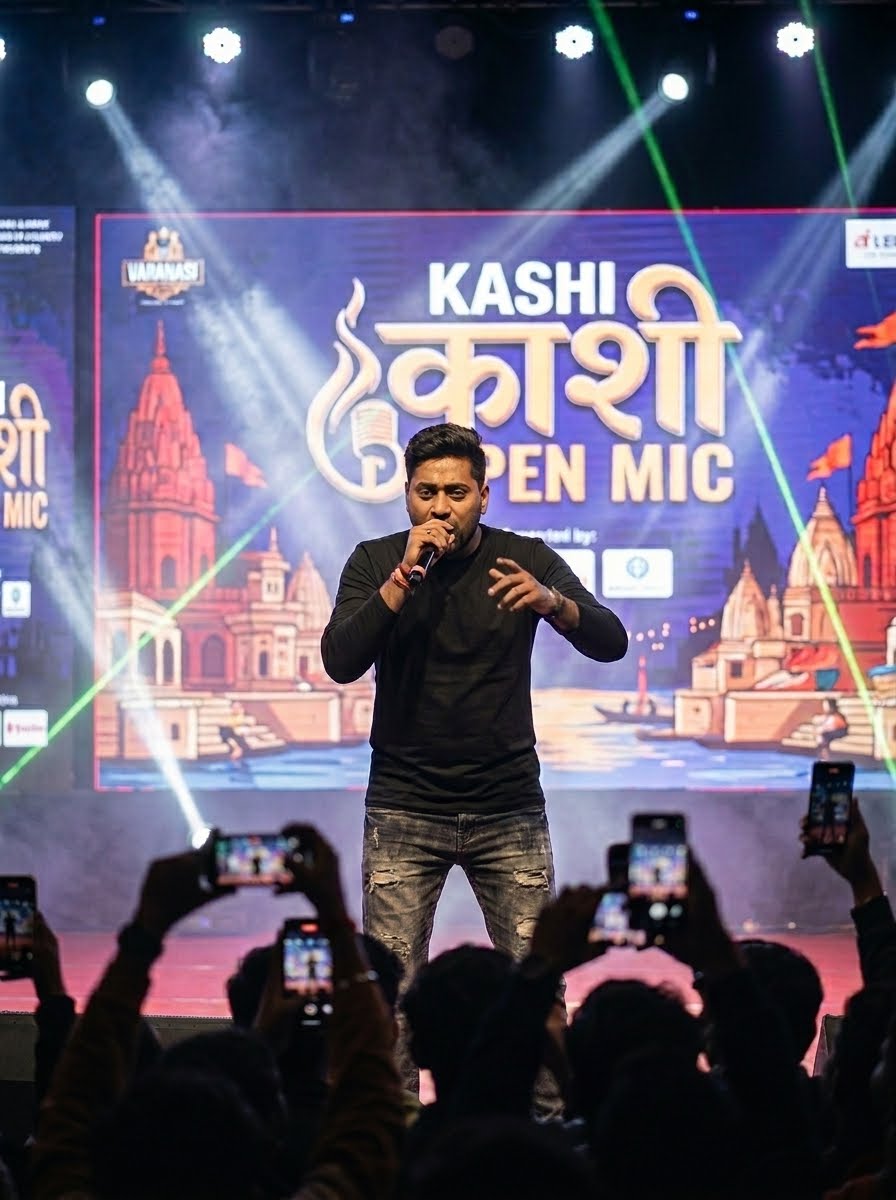
Born Raju Ali Khan on December 10, 1999—falling on the first day of the holy month of Ramzan according to the Islamic calendar—his story begins far from the bright lights of mainstream entertainment. Originally named Farihad Ali and affectionately called 'Roza' by his parents, he grew up in the ancient, winding, and spiritually charged streets of Varanasi. As one of the oldest living cities in the world, Varanasi is a place of profound contrasts: life and death, silence and chaos. This environment inherently shaped his worldview.
Early Struggles
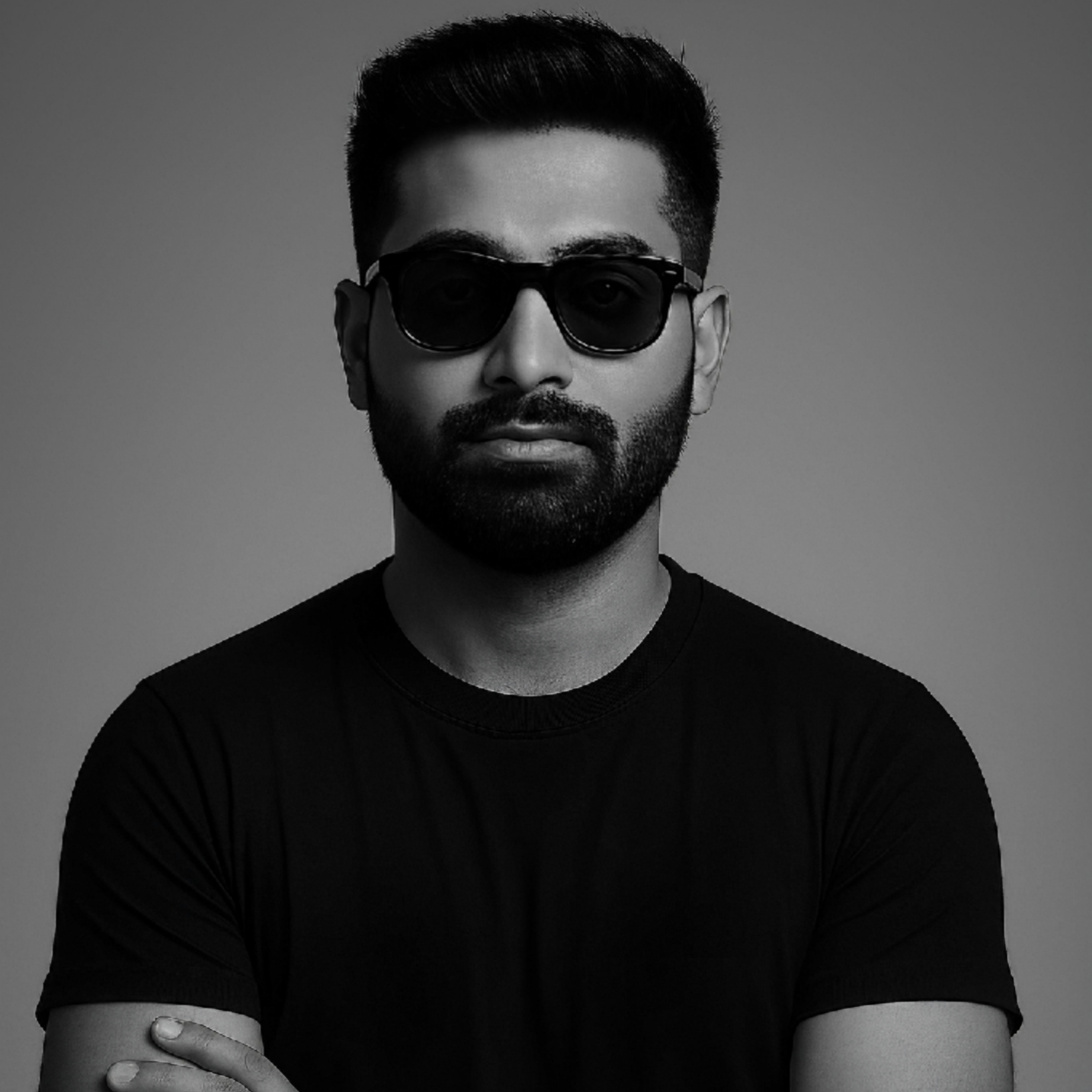
Raised in a humble, working-class home by parents who never had the privilege of formal education, survival was the very first language RJ learned. There were no silver spoons, no safety nets, and no industry connections. Before music became his sanctuary, his battles were strictly physical. An athletic prodigy driven by a ferocious need to prove himself, he initially set his sights on the kickboxing ring. He trained relentlessly, claiming early victories in the sport and earning accolades that spoke to his resilience. Simultaneously, he poured his energy into cricket, conquering the game at the district level. Yet, despite his talent, the systemic doors to the state arena remained stubbornly closed.
Discovery of Rap
The pivot from the physical combat of kickboxing to the poetic combat of rap occurred during his tenth-grade year. While he always harbored a casual childhood affinity for singing, it wasn't until he collided with the magnetic, cultural phenomenon of Yo Yo Honey Singh that his casual interest ignited into a consuming obsession. Soon after, he discovered the raw, unfiltered storytelling of Eminem. The Detroit rapper's ability to weave pain, anger, and technical lyricism into complex rhymes became the blueprint for RJ's own writing. He began consuming the works of Indian hip-hop pioneers—artists like Badshah, Ikka, DIVINE, and Raftaar became his silent, digital mentors.
Musical Evolution
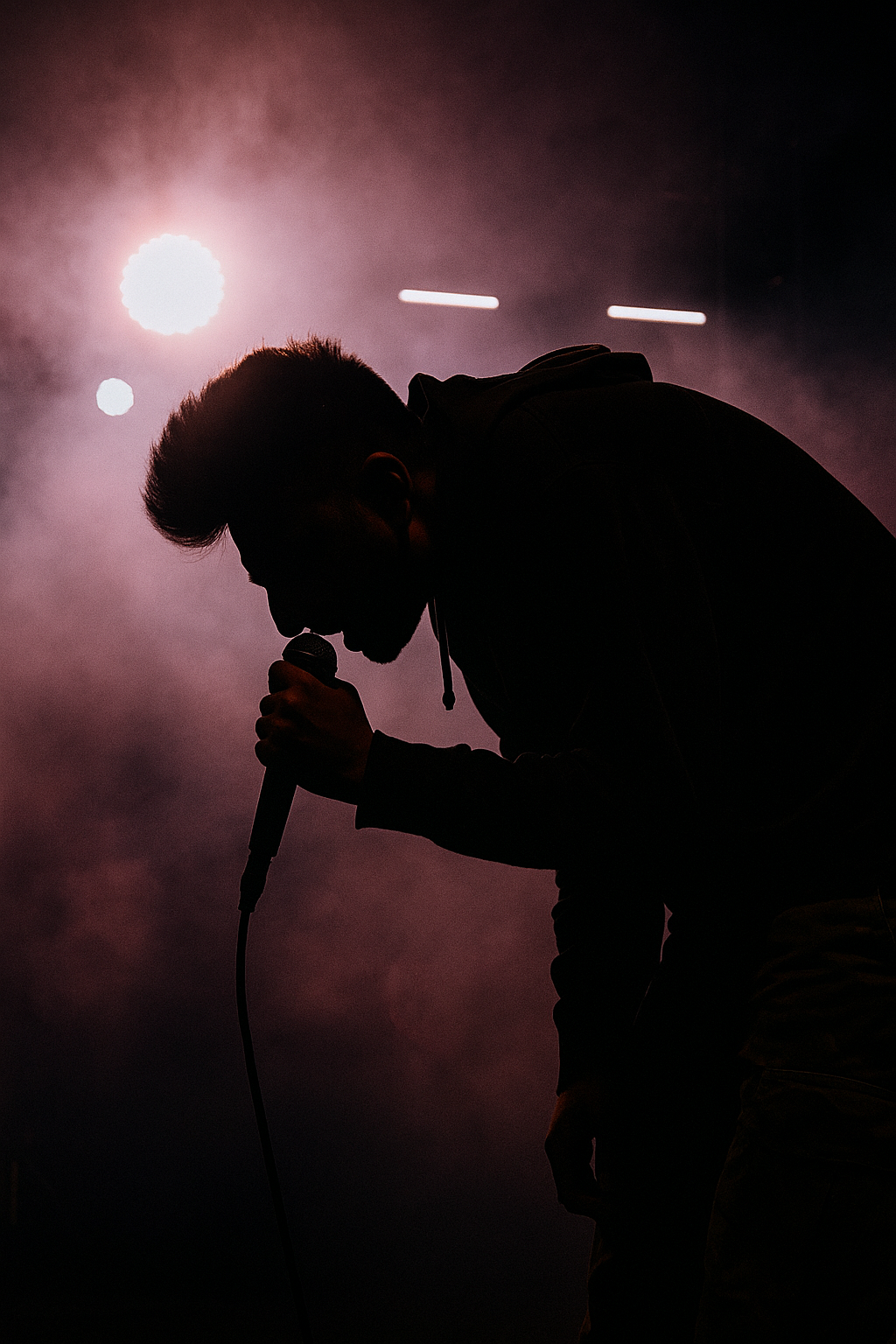
Discovering a passion is one thing; financing it is entirely another. The path to becoming an independent musician was paved with financial impossibilities. Stripped of the luxury of recording studios, expensive software, formal vocal training, or an understanding of musical theory, RJ was forced to carve his own destiny in the dark. Armed with nothing but an entry-level smartphone and an indomitable will, he turned his bedroom into a laboratory. He absorbed the architecture of music production through countless hours of YouTube tutorials, employing sheer, unrelenting trial and error to engineer a sound born from pure necessity.
Going Viral
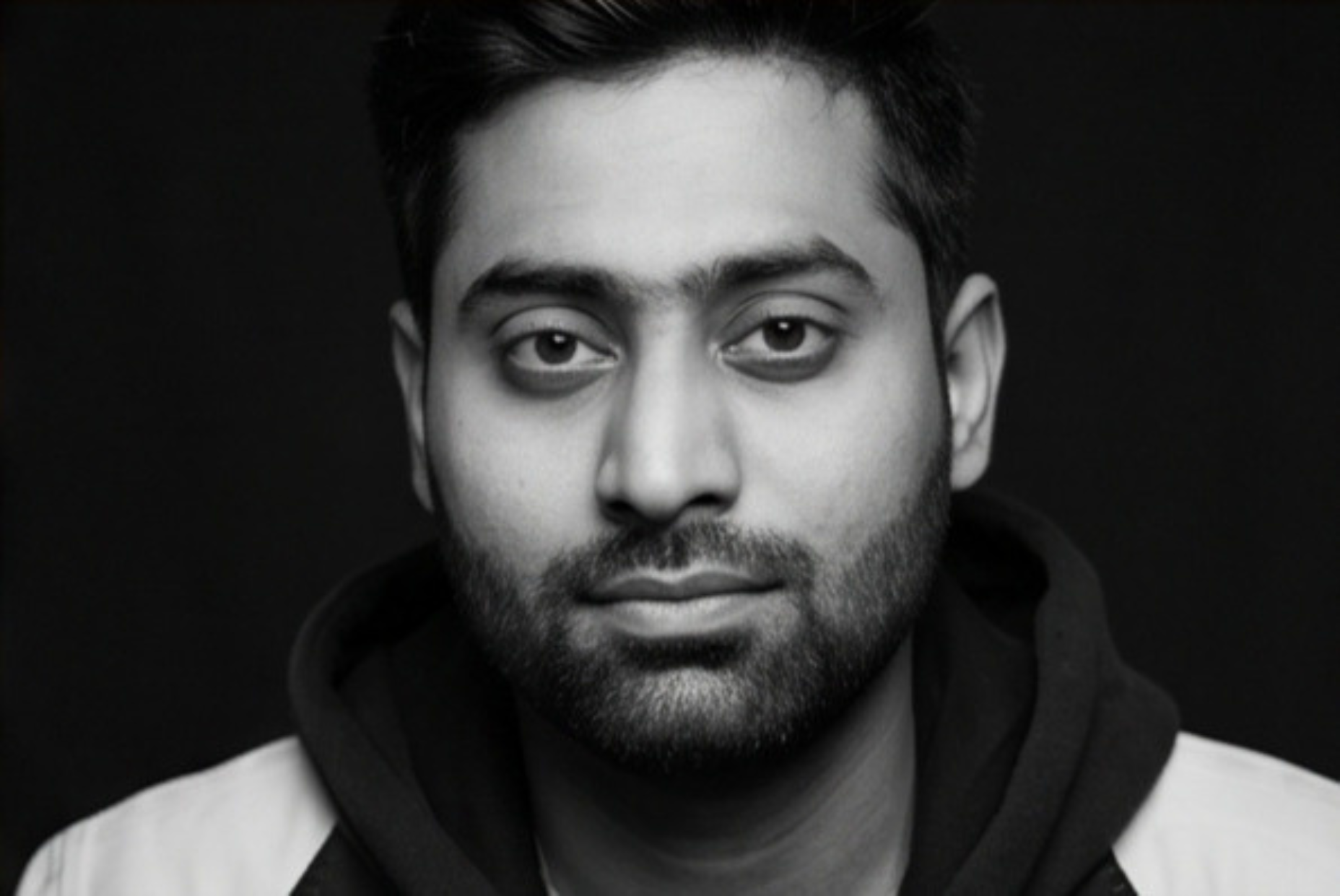
The world first heard the name RJ Khan in the summer of 2017. His debut upload on August 15th—a raw rap cover of the famous Hindi song “Phir Bhi Tumko Chaahunga”—was visually unpolished, captured on a low-resolution phone camera. Yet, it was undeniable in its lyrical gravity.
But it was in 2019 that his raw authenticity collided with cultural lightning. Tapping into the unexpected, nostalgic corners of his youth, RJ released “Mai Hoon Jiyan,” a track conceptually centered around the character Gian from the beloved Japanese anime series, Doraemon. What started as an experimental track surged past a hundred thousand views, transforming from a simple song into a massive viral phenomenon. Proving he was no one-hit wonder, he followed this cultural shockwave with “Sun Meri Shizuka,” cementing his space as a pioneer of Anime Rap in the Indian subcontinent.
Tune Therapy Records
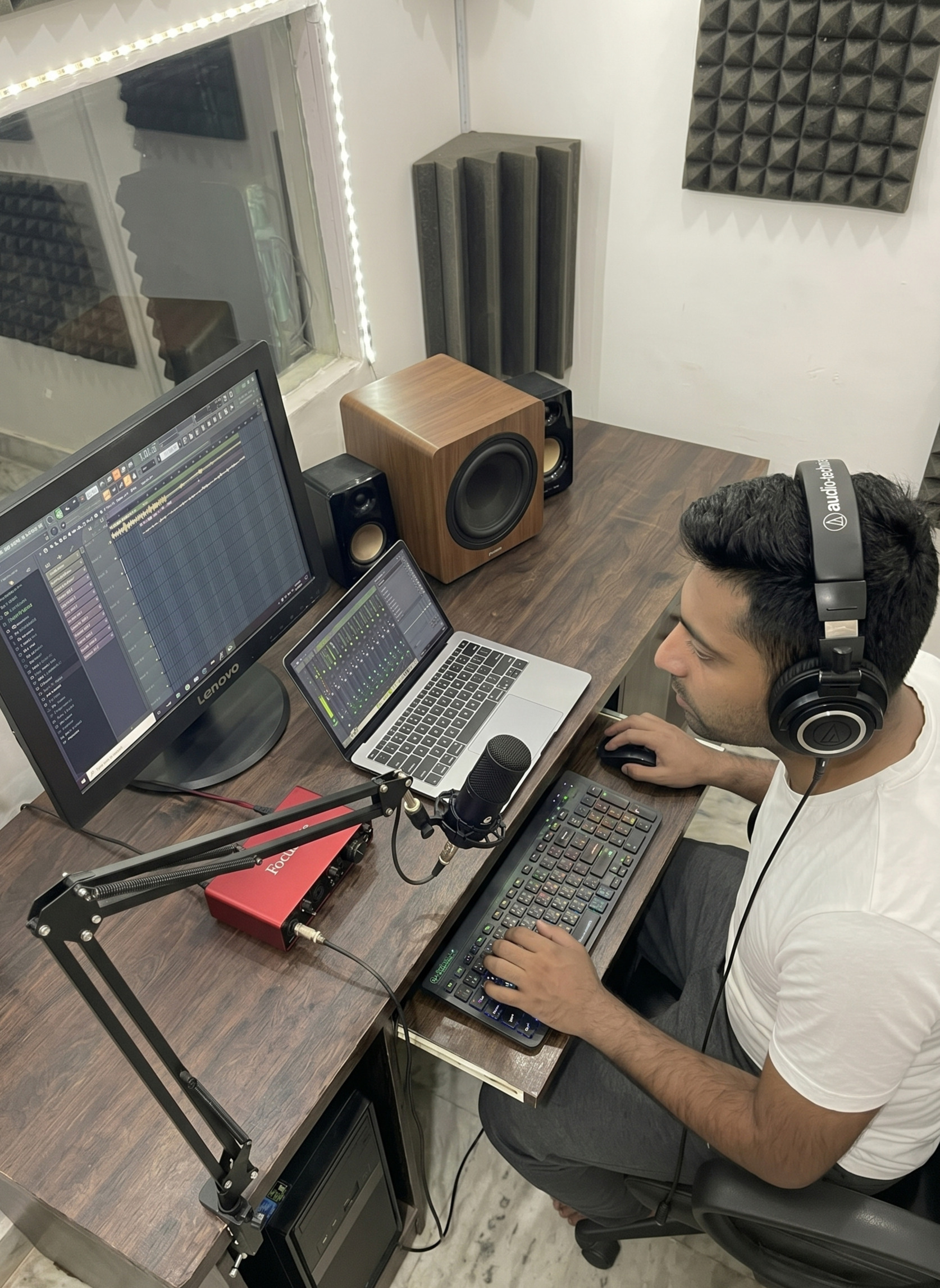
As his digital footprint grew, so did the offers from various labels. But RJ Khan, having built his success with his own hands, was fiercely protective of his creative autonomy. He recognized early on that signing away his masters meant signing away his voice. In response, he established his own independent imprint: Tune Therapy Records. Operating entirely as a one-man powerhouse, RJ oversees every microscopic detail of his releases—from writing the lyrics and composing the melodies, to tracking vocals, producing the beats, mixing, mastering, and even directing the visual aesthetics.
The Future
Today, RJ Khan's sound has matured from the lo-fi experiments of his teenage years into a cinematic, brooding, and atmospheric blend of Desi Hip Hop, Pop Rap, and Alternative R&B. Tracks like “Zamane” and “Tujhe Kya Chahiye” reflect a man who has looked deeply into his own shadows, exploring themes of betrayal, survival, mental health, and the isolating reality of ambition.
As he continues to push the boundaries of what an independent artist can achieve in India, his legacy is actively being written. He stands as living proof that true artistry doesn't require a budget; it requires truth.
The Journey
10 years of stories
2016
The Foundation
Created his very own YouTube channel, laying the groundwork.
2017
First Release
Uploaded his debut song—a raw rap cover of Phir Bhi Tumko Chaahunga.
2019
The Breakthrough
"Mai Hoon Jiyan" crossed 100K views, becoming a viral cultural phenomenon.
2020
Viral Success Continues
Released "Sun Meri Shizuka", cementing his unique storytelling ability.
2021
Take Two
Second studio album "Take Two".
2022
Vevo Arrival
Khan comes on Vevo.
2023
Banaras Ghumadi
First bhojpuri song "Banaras Ghumadi".
2024
YouTube Milestone
Khan hits 19K subs on YT.
2025
Sukoon
The new era started with "Sukoon".
2026
Introspective Introvert
Third studio album "Introspective Introvert" (to be released).
Knowledge Base
Frequently Asked Questions
Who is RJ Khan?
RJ Khan (born Raju Ali Khan) is an independent Indian rapper, singer, songwriter, and music producer from Varanasi, India. He is known for blending Desi Hip Hop, Alternative R&B, and Anime Rap.
Where is RJ Khan from?
RJ Khan is from Varanasi, Uttar Pradesh, India. The ancient, culturally rich environment of Varanasi deeply influences his music and poetic worldview.
What genre of music does RJ Khan create?
RJ Khan's music crosses several genres, primarily rooted in Desi Hip Hop and Pop Rap, infused with cinematic alternative R&B and the distinctive nostalgia of Anime Rap.
What is Tune Therapy Records?
Tune Therapy Records is an independent music record label founded and solely operated by RJ Khan. It allows him to retain complete creative control over his writing, production, mixing, and visual aesthetics.
Where can I listen to RJ Khan's music?
RJ Khan's music is available on all major streaming platforms including Spotify, Apple Music, YouTube Music, JioSaavn, Gaana, Amazon Music, and Tidal.